

Professional photographer Alicante Costa Blanca – Photographing in Low Light and Silence
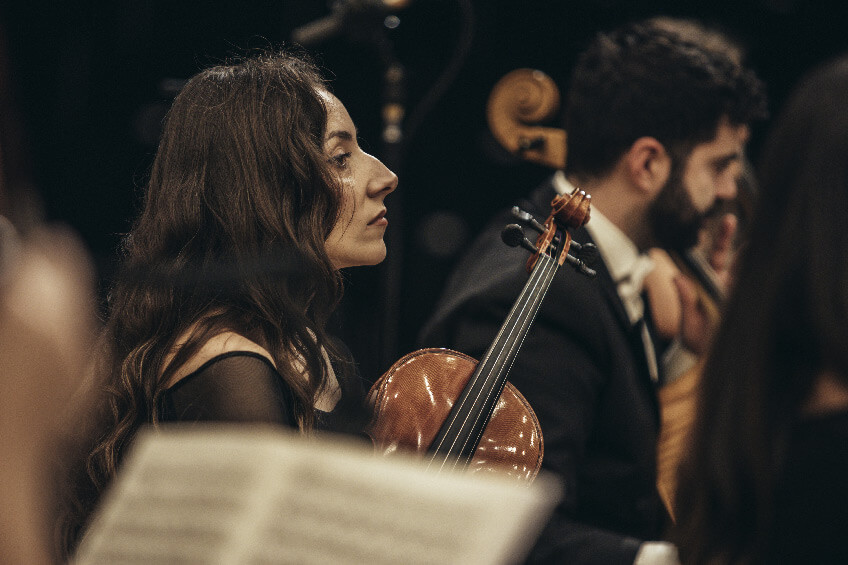
Table of Contents
Photographing in Low Light and Silence: Behind the Scenes with the National Orchestra of Alicante
Some photography assignments are technically challenging. Others are creatively rewarding.
A few rare assignments manage to be both.
One of the most enjoyable and demanding projects I regularly work on as a professional photographer Alicante Costa Blanca is photographing the National Orchestra of Alicante.
This work combines elements of:
• event photography
• live performance photography
• portrait photography
• documentary-style storytelling
And unlike many photography environments, this one comes with two very specific challenges:
extremely low light and complete silence.
Photographing the Orchestra: A Multi-Day Assignment
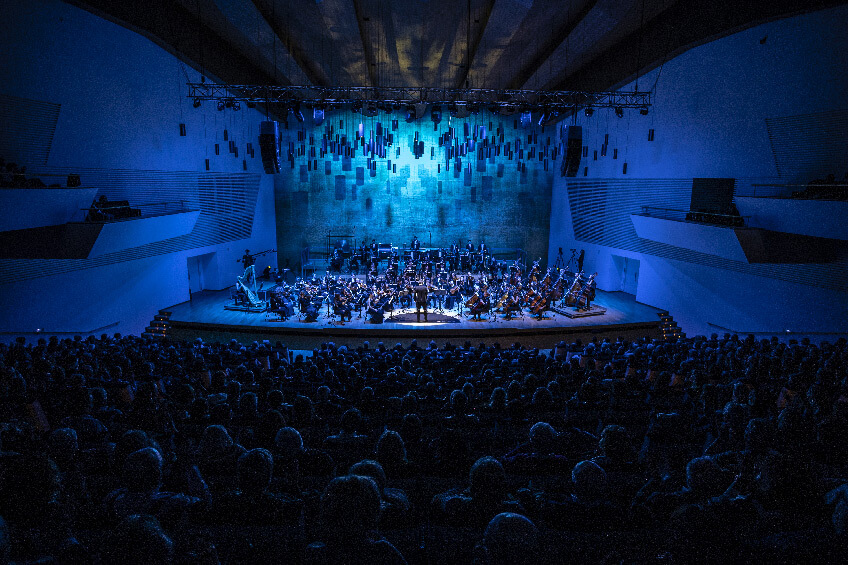
The assignment typically begins with photographing the first rehearsal early in the week.
This is followed by sessions featuring the guest soloists and musicians as preparations continue, before culminating in the final live concert performance at the weekend.
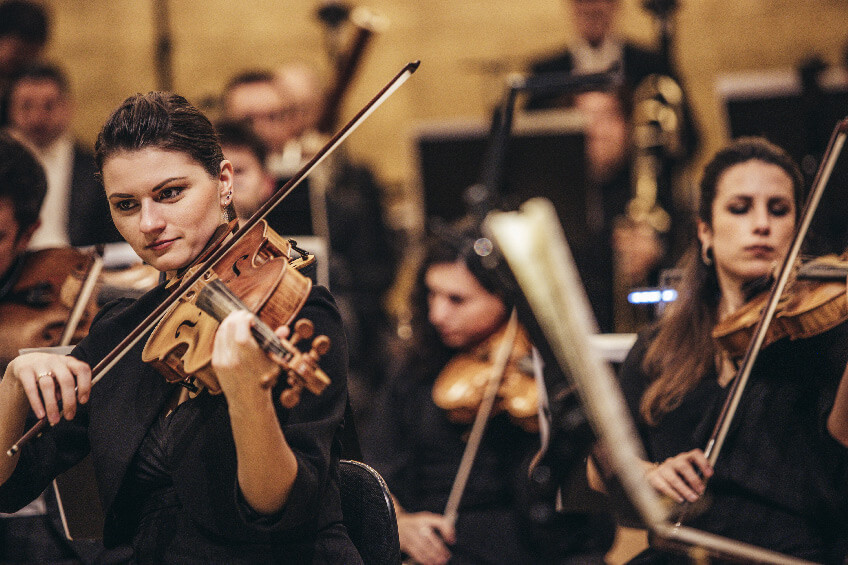
The process gives me the opportunity to document not only the concert itself, but also the atmosphere, preparation, concentration, and personality behind the performance.
The photographs that I create are used for social media marketing, the orchestra’s printed material and large banners used to promote the orchestra at the National auditorium. It is quite a privilege to see my photos printed up and displayed in an incredibly large size!
From a photography perspective, it’s a fascinating blend of:
- candid observation
- performance timing
- portrait-style composition
- storytelling through imagery
The Challenge of Low-Light Photography
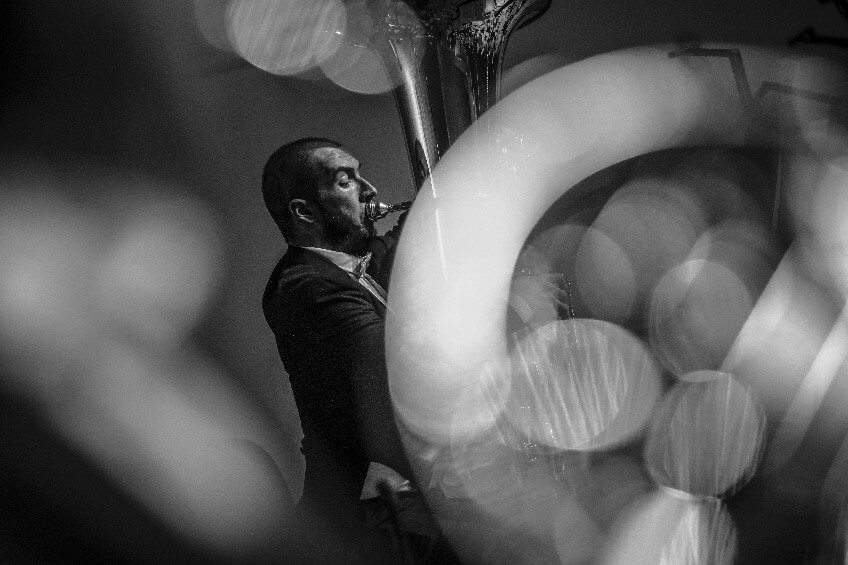
Concert halls are beautiful environments — but they are rarely designed for photographers.
Lighting is created for the audience experience rather than camera sensors, which means photographers often face:
• deep shadows
• isolated spotlights
• fast changes in brightness
• high contrast scenes
As an Alicante photographer specialising in professional event photography, working in these conditions requires both technical control and experience.
To photograph orchestral performances effectively, several things become essential:
Using Fast Lenses
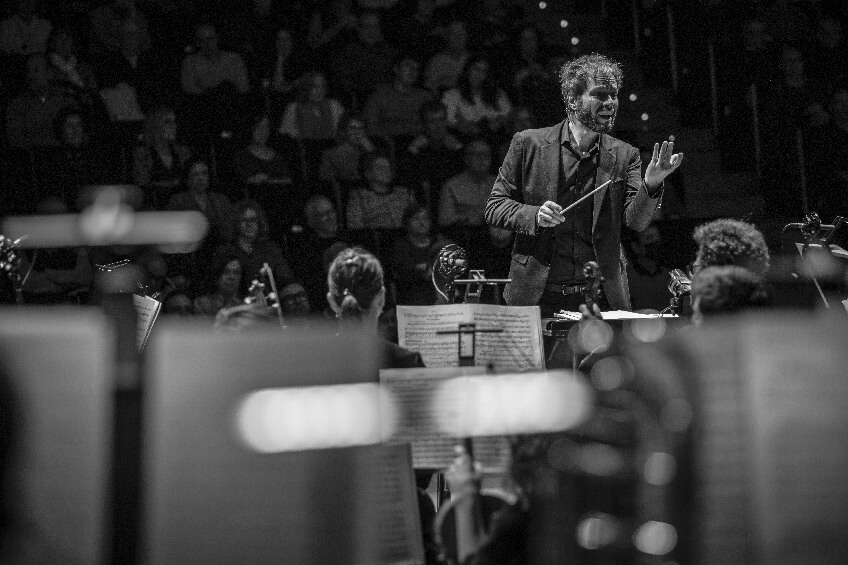
Fast-aperture lenses allow more light into the camera, helping maintain image quality without excessively increasing ISO settings.
This helps preserve:
- detail
- colour depth
- atmosphere
while avoiding unnecessary digital noise.
Understanding Available Light
In concert photography, artificial flash is not an option.
Flash would:
- distract performers
- ruin audience immersion
- interfere with recordings
- destroy the natural mood of the venue
Everything must be achieved using the existing stage lighting.
This means constantly adapting exposure settings while maintaining consistency across the final image set.
Managing Camera Noise and Stability
Low-light photography often requires slower shutter speeds.
The challenge becomes balancing:
- sharpness
- motion
- noise control
- natural ambience
Musicians move subtly rather than dramatically, which means timing is incredibly important. Capturing expression and concentration often comes down to patience and anticipation.
Photographing Without Making Noise
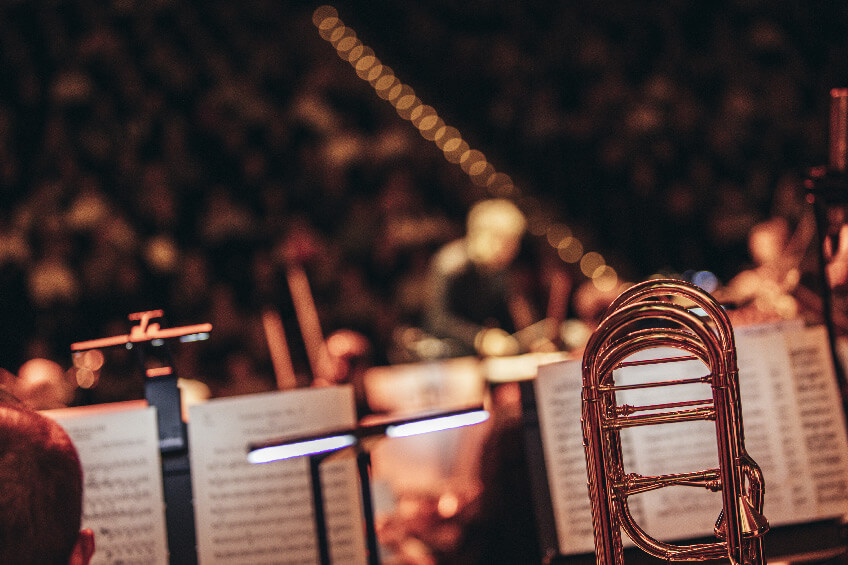
The technical side of low-light photography is only half the challenge.
The other major requirement is silence.
Most of the concerts and rehearsals are professionally recorded, meaning the environment must remain as quiet as possible throughout the performance.
Even small sounds become noticeable.
This changes the way you work completely.
Silent Shooting and Minimal Movement
Modern mirrorless cameras are incredibly valuable for this type of assignment because they offer silent electronic shutter modes.
This allows photographs to be taken discreetly without the loud mechanical click associated with traditional DSLR cameras.
However, silence is not just about equipment.
It also involves:
- moving carefully
- anticipating moments
- choosing positions strategically
- avoiding unnecessary repositioning during performances
In many ways, photographing an orchestra becomes almost choreographed. You learn to move between musical pauses and quieter passages while remaining as invisible as possible.
A Combination of Event and Portrait Photography
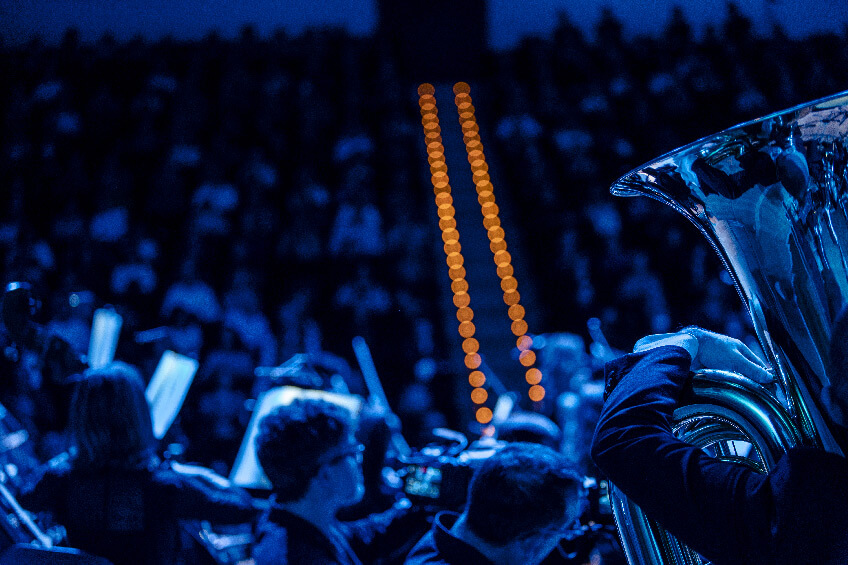
One of the aspects I enjoy most about this work is the combination of styles involved.
During rehearsals, there are opportunities to capture:
- expressive musician portraits
- interactions between performers
- moments of concentration
- behind-the-scenes atmosphere
During the concert itself, the focus shifts more towards:
- timing
- composition
- emotion
- audience perspective
This mixture makes orchestral photography far more dynamic than many people realise.
The Importance of Atmosphere in Music Photography
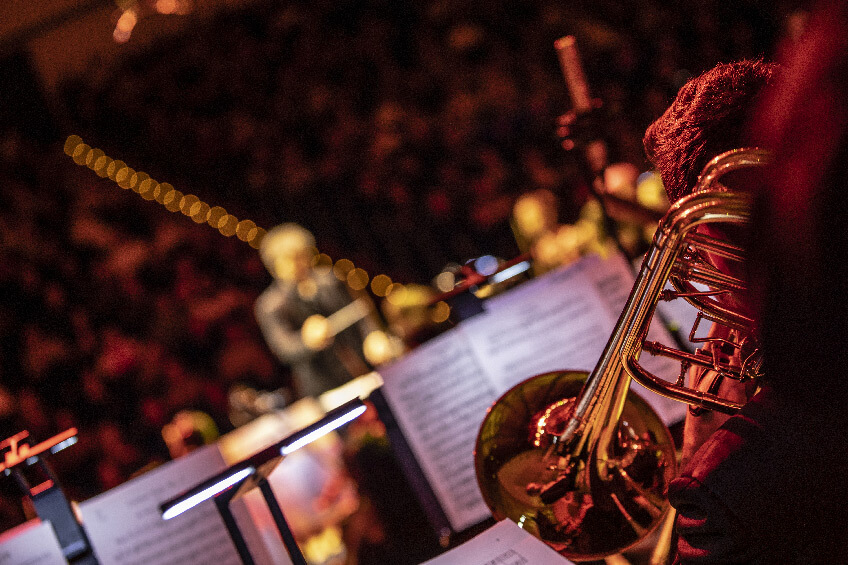
One of the biggest mistakes in concert photography is over-editing.
The atmosphere of a classical performance depends heavily on:
- shadow
- warmth
- stage lighting
- contrast
Over-brightening images can remove the emotional mood entirely.
As a professional photographer on the Costa Blanca, my approach is always to preserve the authenticity of the performance while ensuring the images remain clean, detailed, and visually engaging.
Subtle editing is often far more effective than dramatic processing.
Why Experience Matters in Difficult Photography Environments
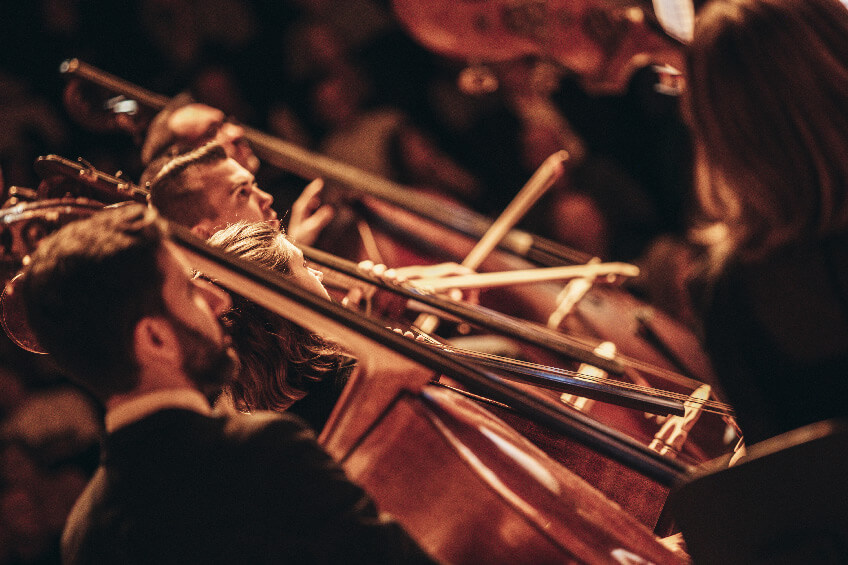
Assignments like these highlight an important truth about photography:
Technical knowledge alone is not enough.
Working successfully in low-light performance environments requires:
- patience
- observation
- timing
- awareness
- adaptability
Every venue is different. Every conductor works differently. Every rehearsal has its own rhythm and energy.
The ability to quietly adapt to these conditions is what separates professional event photography from simply documenting a performance.
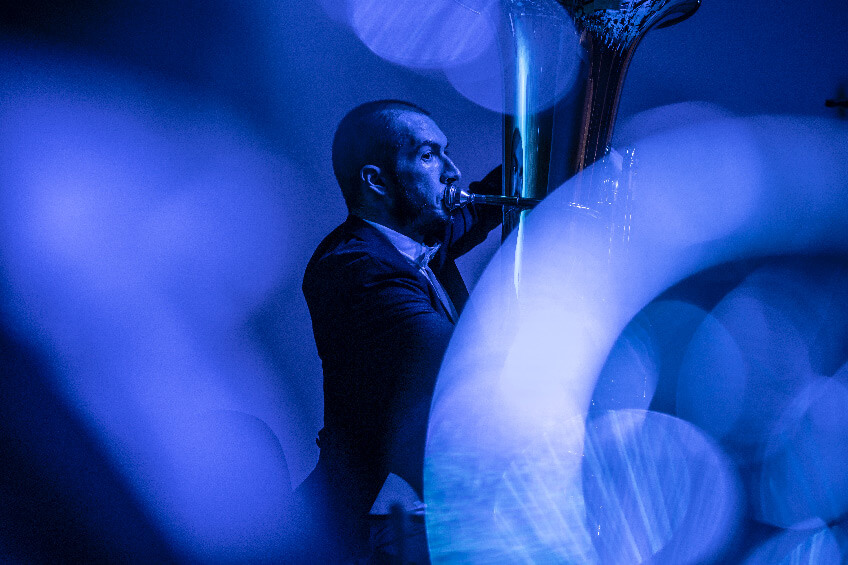
Frequently Asked Questions About Low-Light Concert Photography
What camera settings are best for low-light concert photography?
Concert photography settings depend on the venue and lighting conditions, but generally involve:
- wide apertures (such as f/1.4 to f/2.8)
- higher ISO settings
- carefully balanced shutter speeds
The goal is to capture enough light while maintaining image sharpness and minimising digital noise.
Why can’t photographers use flash during orchestra performances?
Flash photography would distract musicians, interrupt audience immersion, and interfere with professional audio or video recordings.
In orchestral photography, preserving the atmosphere and respecting the performance environment is essential, so photographers rely entirely on available stage lighting.
What equipment is best for silent event photography?
Modern mirrorless cameras are ideal because many offer silent electronic shutter modes.
Fast prime lenses are also important for low-light work, allowing photographers to shoot in darker conditions without excessively increasing ISO levels.
How do photographers avoid camera shake in low light?
Low-light photography often requires slower shutter speeds, so stability becomes very important.
This can involve:
- using image-stabilised lenses or cameras
- maintaining controlled posture and movement
- carefully timing shots between performer movements
Experience and anticipation play a major role in achieving sharp images.
Is concert photography more difficult than normal event photography?
In many ways, yes.
Concert photography combines:
- low-light shooting
- silent operation
- fast timing
- unpredictable movement
- limited positioning opportunities
Unlike many events, photographers also need to remain unobtrusive throughout the performance.
How much editing is involved in concert photography?
Professional concert photography usually requires careful editing to balance exposure, colour, and noise while preserving the atmosphere of the venue.
The aim is typically to enhance clarity without removing the natural mood created by the stage lighting.
What makes orchestra photography unique?
Orchestra photography is different from many other live events because it combines performance photography with elements of portraiture and storytelling.
Expressions, concentration, interaction between musicians, and the emotion of the performance all become important visual elements.
Photographing Culture on the Costa Blanca
The Costa Blanca is often associated with tourism, beaches, and property photography, but it also has a rich cultural and artistic scene.
Photographing organisations like the National Orchestra of Alicante provides an opportunity to document a very different side of the region — one built around creativity, music, and performance.
For me personally, these assignments remain some of the most rewarding photography work I do.
Not because they are easy — but because they require complete focus, technical precision, and respect for the environment.
Professional photographer Alicante Costa Blanca – Final Thoughts
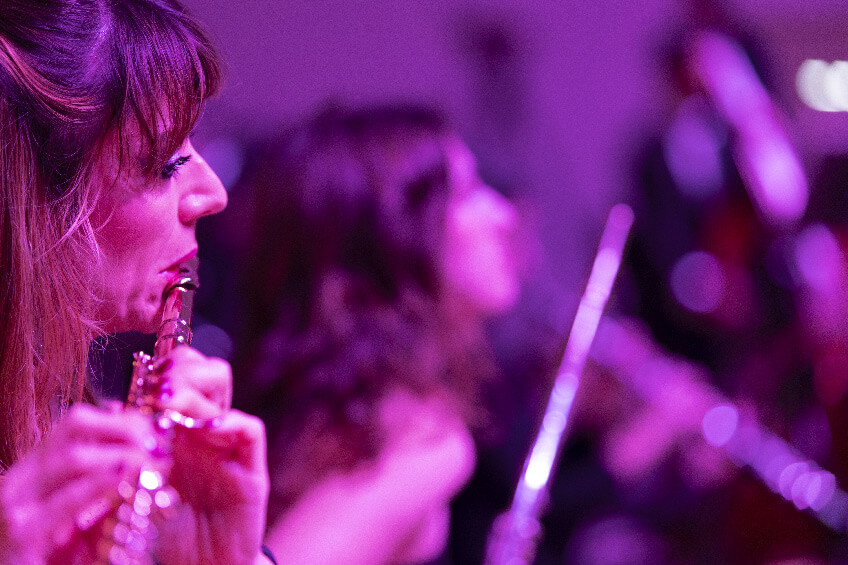
Photographing orchestral performances in Alicante combines many of the most demanding aspects of professional photography:
• low-light conditions
• silent shooting
• fast decision-making
• emotional storytelling
• technical precision
It is challenging, unpredictable, and incredibly rewarding.
Most importantly, it serves as a reminder that photography is not always about controlling the environment.
Sometimes, the best images come from quietly adapting to it.